
Assortment planning
Compact vs Full-Length Jewelry Cabinets: Range Planning for Retail Buyers
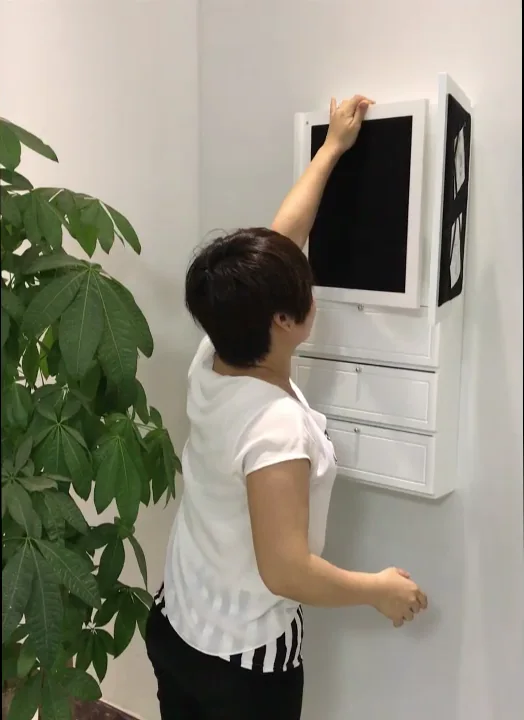
A compact wall-mounted jewelry cabinet and a full-length mirror with storage can coexist in a retail range if they solve different problems. Start with the shopper’s intended use. Someone buying a small cabinet for a dressing area needs to know how it mounts and what fits inside. Someone buying a dressing mirror needs the usable mirror area, viewing space and the storage it opens to reveal.
Compare the space the shopper actually uses
Ask for the cabinet dimensions and the visible mirror dimensions in separate fields. Request a side view with the door closed and a plan view or demonstration showing the open door. For a wall cabinet, record the space below and beside it as installed. For a longer cabinet, consider the space the shopper needs to stand back and see the mirror as intended. Use your own display space, room photos or channel feedback to assess fit.
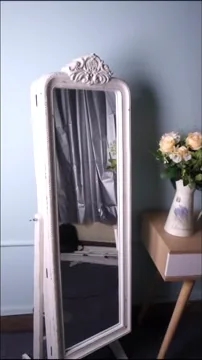
Give the merchandising team two distinct product briefs
For a compact unit, lead with where it fits, how it installs and the interior it offers. For a longer unit, show the full mirror in use, then open the cabinet to establish the storage function. Ask for a photographed scale reference and interior measurements from the same model. A tight crop can make a compact cabinet look as large as one meant for a head-to-toe view.
Compare W824 and W805 as two starting configurations. Use the wall and door mounted collection to build the shortlist. Get model-specific dimensions and clearances from the supplier before making any claim about what fits in a buyer’s space.