
Factory documentation
What a RoHS Report Tells Buyers About LED Cabinet Components
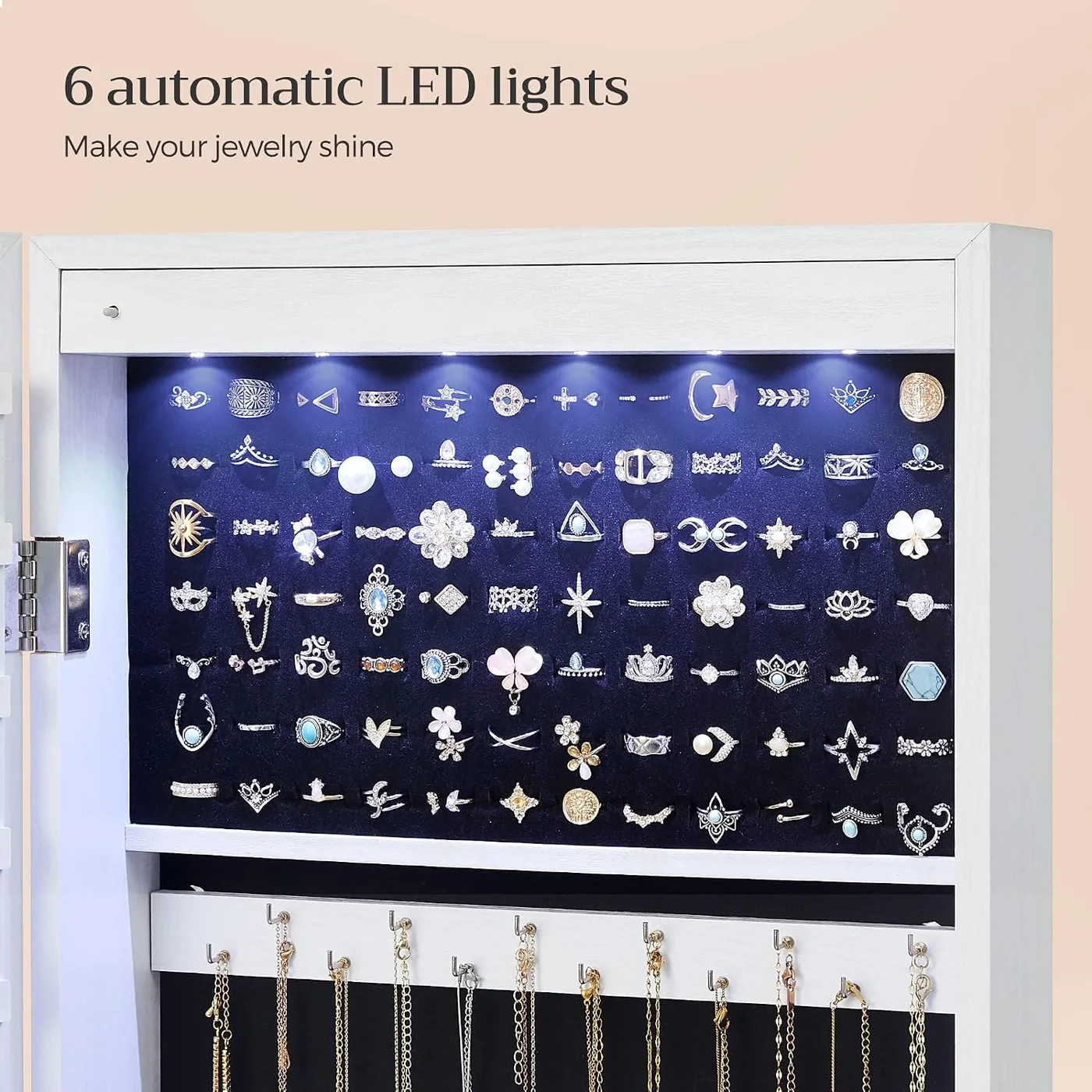
A RoHS review begins with product scope and the actual electrical materials being supplied. Buyers often receive declarations for the lighting strip, controller or lead and assume those documents automatically cover every replacement part. Ask the factory to connect each document to the electrical assembly in your order. Depending on the applicable rules, the material, part and version can matter even when the cabinet’s appearance is identical.
Which evidence is in the factory file?
The supplied CTB verification for WO-W6, the LED light for a jewelry cabinet with mirror, refers to Directive 2011/65/EU and the substance-list amendment (EU) 2015/863. It points to a specific chemical test report. Its result applies to the submitted sample and the tests performed. Ask for model and component matching before relying on it for a different LED assembly. This evidence does not decide FSC claims, whole-factory environmental performance or mirror safety.
Ask our factory team about RoHS evidence for your configuration. Include the model and destination market in your inquiry.
| Component or change | Buyer question |
|---|---|
| LEDs, strip or driver | Do the component identifiers match the referenced materials or assembly? |
| Lead, solder or plastics | Is the evidence for the materials actually used in production? |
| Replacement component | Who checks any material or supplier change against the evidence? |
| Exemption | If one is claimed, which application and validity period are relevant? |
Make supplier paperwork usable
Retain material declarations or supporting tests against a bill of materials revision. If any field is unclear, ask which physical part was tested, by whom and when. Where a color, connector, adaptor or supplier changes, ask whether the previous evidence still applies. The factory should be able to explain the comparison and give the buyer a controlled list of accepted parts.
Keep this evidence under the exact lighting configuration so the same check can be repeated on future orders. A warehouse should be able to connect the production labels and replacement part numbers with that record, rather than relying on a generic badge printed on a carton.